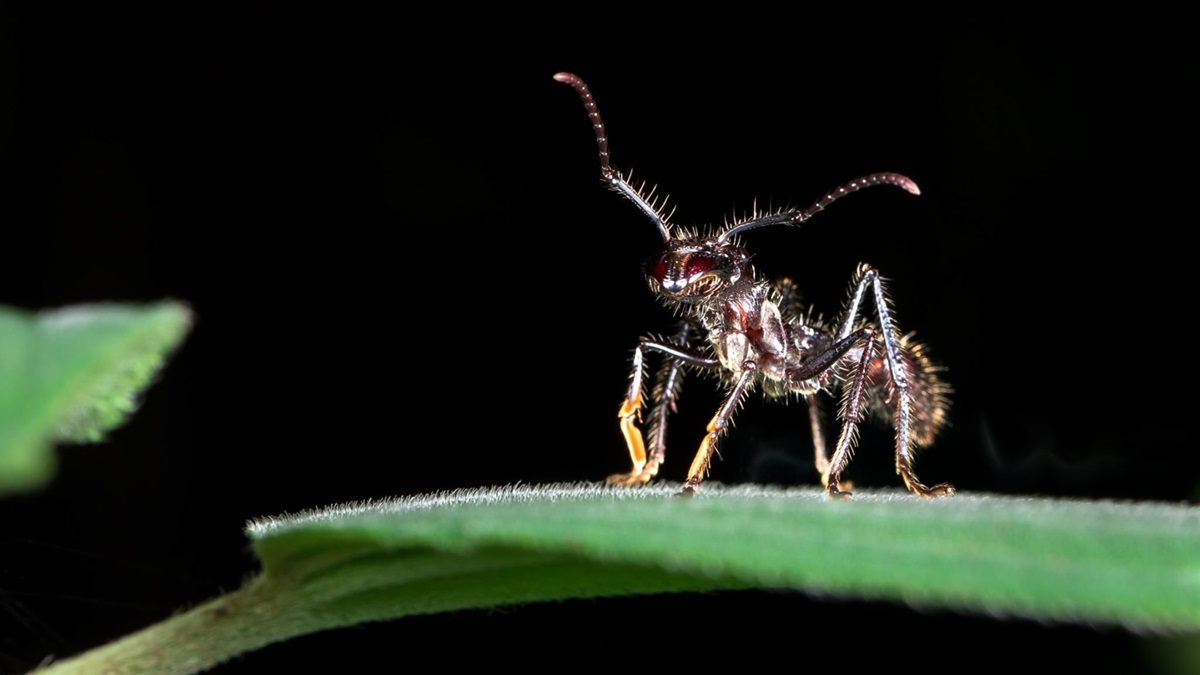
Nature often depends on small creatures that work in silence. Hormita stands as one of them. This tiny ant shapes soil, supports plants, and keeps natural spaces stable. Many people overlook it due to its size, yet its effect reaches far across the ground. The presence of Hormita shows how vital even the smallest ant can be.
A closer look reveals a clear system inside each colony. Every ant follows a role and helps the group survive harsh seasons. The colony improves soil, clears waste, and limits harmful insects without direct human help. These actions show the true value of Hormita and highlight the strength of simple natural forces.
What Hormita Means
Hormita refers to a small ant that thrives in warm regions and stable soil. The ant shows strong order inside its colony and follows a clear social rule. Each member holds a task that supports the entire group. Some ants search for food in wide areas and return once they find a source. Some ants guard the nest and stand ready to stop threats from other insects. The queen secures new life inside the colony and keeps the population steady.
The entire system shows unity and purpose. Every action inside the nest helps the colony survive harsh seasons or sudden changes in the environment. The ants move in a clear pattern and maintain strict routes that prevent confusion. The result is a stable and focused colony that uses teamwork to remain strong. Hormita stands out due to this natural order and the discipline that guides each member.
Why Hormita Matters in Nature

Nature depends on steady support from small creatures that work in silence. Hormita stands out due to its strong effect on soil, plant growth, and overall balance inside many habitats. The ant moves through the ground and opens new paths that allow air and moisture to reach deeper soil layers. Plants grow stronger once they gain this natural boost.
Hormita also helps limit harmful insects that damage crops and wild plants. The ant reduces pest numbers through constant patrol and sharp awareness of threats around the colony. Many animals rely on Hormita as a food source, so the ant supports the food chain as well. A stable Hormita population benefits birds, reptiles, and small mammals. These roles show the deep value of this small ant inside natural systems.
1. Soil Support
Hormita ants shape the soil through constant movement inside their tunnels. Air and water reach deeper layers due to these paths. Soil strength improves. Plants grow better once the ground gains this natural support.
2. Natural Cleanup
Hormita ants collect food scraps and dead insects. The ground stays clean as a result. Harmful growth slows down because waste does not remain on the surface. The environment stays balanced.
3. Pest Control
Hormita ants feed on small insects that cause harm to plants. Gardens and farms benefit from this natural control. The ant reduces the need for chemical methods.
4. Support in the Food Chain
Many animals depend on ants as a steady source of food. Birds, reptiles, and small mammals gain strength due to these insects. Hormita helps the food chain maintain stability.
How Hormita Ants Behave
Hormita ants rely on scent trails that guide them across wide areas. These trails act as firm routes that lead each ant back to the nest without confusion. The ants show sharp awareness of every path and respond fast to changes around them. The colony avoids danger through quick shifts in direction and clear signals that travel from one ant to another.
The ants work as a united group once threats appear near the nest. Guard ants rush forward, and workers return to safer ground. No ant acts as an isolated unit. Each ant supports the survival of the colony through steady effort and strict discipline. The result is a strong and organized group that endures harsh seasons and sudden pressure from predators. This behavior shows the true order and intelligence inside a Hormita colony.
Where Hormita Ants Live
Hormita ants thrive in warm soil and mild climates that offer steady moisture. Forest floors provide rich ground and steady cover, so the ants settle in deep layers under fallen leaves. Gardens also suit them, because soft soil and steady food sources remain close to the surface. Grassy fields offer open areas and safe routes that connect one nest to another.
The ants avoid extreme cold because low temperatures slow their movement and disrupt the colony’s order. Strong heat also forces them to seek deeper soil. Nests stay hidden under stones, roots, or leaves, and these spots protect the colony from direct sunlight and predators. The ants choose spaces that allow fast movement and clear access to food. Their choice of habitat shows careful judgment and natural awareness of their environment.
How Hormita Affects People
Hormita ants help humans through natural soil support and pest control. Farmers notice stronger soil. Gardeners see healthier plants. People who study insects learn about order and teamwork through these colonies.
The ants may enter homes at rare times. They search for shelter or food. Simple steps such as sealing small gaps and removing crumbs keep them outside.
Interesting Facts About Hormita
- These ants lift objects many times heavier than their bodies.
- Scent trails guide their routes like maps.
- Colonies can survive many years under stable conditions.
- One queen can support thousands of ants.
Why Hormita Deserves Attention
Nature depends on many small forces that work in silence. Hormita ants stand among the most important of these forces. The ants shape soil through constant movement inside the ground, and this action improves air flow and moisture levels. Plants grow stronger once soil gains this support. The ants also clear waste on the forest floor and remove dead insects that attract harmful pests. These acts keep the environment stable.
Hormita ants also limit insects that cause damage to crops and gardens. This control helps farmers and gardeners maintain healthy plants without heavy chemical use. Strong ecosystems often show strong ant populations, and Hormita plays a major part in that pattern. The ant supports birds, reptiles, and small mammals that rely on insects as a food source. A closer look at Hormita reveals the true value of a small creature inside a large natural system. The ant proves that size does not decide impact, and nature gains strength through many small and steady workers.
Final Thoughts
Hormita ant holds a strong place in nature. The ant shapes soil, supports plants, and limits harmful insects. Many people overlook its role due to its size, yet its impact reaches far across natural spaces. The ant shows how small forces can guide large systems.
A closer view of the Hormita ant reveals unity, order, and steady work inside each colony. The ant acts as a silent helper that restores balance in many habitats. The value of this tiny creature becomes clear once we see how it affects soil, plants, and other species. Nature relies on the Hormita ant more than most of us expect.