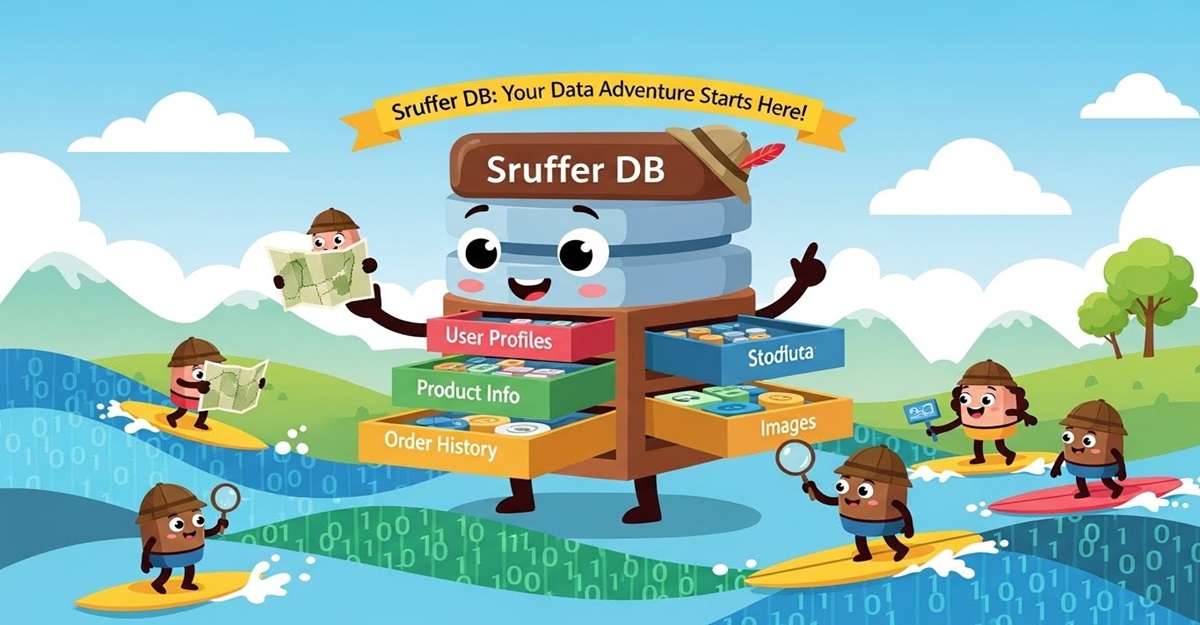
Software projects today move fast. Requirements change, user bases grow, and data volumes rise without warning. Databases built for slower, predictable systems often struggle in this environment. Developers need something that adjusts easily, performs well under pressure, and stays reliable as applications evolve.
That need pushed the rise of Sruffer DB. This database system was shaped around modern development habits rather than older, rigid models. Instead of forcing developers to bend their applications around strict data rules, Sruffer DB adapts to the application itself. Understanding what Sruffer DB is and why it matters helps clarify how modern applications manage data more smoothly today.
What Sruffer DB Is
Sruffer DB is a database system created to address problems commonly found in traditional database setups. Older systems rely on fixed structures that demand careful planning before a single record exists. Changes later often cause friction, slowdowns, or rework.
Sruffer DB takes a different approach. Data structures remain flexible, allowing applications to grow naturally. Developers can adjust data formats as features expand or user needs shift. That flexibility makes Sruffer DB appealing for projects that expect frequent updates.
The system appeared when developers noticed that modern applications needed databases that scale smoothly and stay responsive. Open collaboration helped shape its direction, leading to a design focused on performance, adaptability, and practical development workflows.
How Sruffer DB Differs From Traditional Databases
Clear differences separate Sruffer DB from older database systems.
Structure Flexibility
Traditional databases rely on predefined schemas. Every change requires planning and adjustment. Sruffer DB allows more freedom, making updates less disruptive.
Performance Under Load
As data and users increase, older systems may slow down. Sruffer DB handles growing workloads more efficiently, keeping response times steady.
Data Access Style
Classic databases often depend on strict query formats. Sruffer DB provides more developer-friendly access methods, simplifying how applications retrieve and update data.
Built-In Security Focus
Security plays a central role in the system’s design. Data protection measures integrate directly into its core rather than being added as afterthoughts.
These differences explain why developers consider Sruffer DB for projects that require both speed and adaptability.
Key Benefits of Using Sruffer DB
Several advantages explain its growing attention in development circles.
Scalable Growth
Applications rarely stay the same size. User numbers increase, features expand, and data multiplies. Sruffer DB scales alongside that growth without forcing teams to redesign their systems.
Flexible Data Models
Changing requirements no longer demand painful restructuring. Data models adjust more easily, helping teams move faster during development cycles.
Real-Time Data Access
Fast querying supports real-time insights inside applications. Dashboards, monitoring tools, and analytics benefit from immediate data availability.
Team Collaboration Support
Multiple developers can work on the same project without constant conflicts over data definitions. This helps teams stay productive as projects grow.
These benefits make Sruffer DB practical for applications that need speed without sacrificing stability.
Where Sruffer DB Is Commonly Used
Different industries apply Sruffer DB in ways that fit their data demands.
- Retail environments rely on live inventory tracking and customer data updates.
- Financial systems handle high transaction volumes that require both speed and protection.
- Healthcare platforms depend on quick access to records where timing matters.
- Startups benefit from flexible systems that grow without heavy infrastructure changes.
- Logistics and analytics tools use fast data processing to guide decisions.
Each use case reflects the same need: dependable data handling under changing conditions.
Limitations to Consider
Despite its strengths, Sruffer DB presents some challenges.
Smaller Knowledge Base
Being newer than many traditional systems means fewer learning resources exist. Developers may spend extra time exploring documentation.
Learning Curve
Teams familiar only with older database styles might need time to adjust their thinking and workflows.
Migration Effort
Moving data from an existing system requires planning. Data transfer and application adjustments demand careful execution.
Tool Compatibility
Some frameworks and tools integrate more easily with long-established databases. Extra setup might be required.
Understanding these limits helps teams decide when Sruffer DB fits best.
Future Outlook for Sruffer DB
Demand for adaptable databases continues to rise. Cloud-based architectures and distributed systems favor tools that scale smoothly and remain flexible. Sruffer DB aligns well with these trends.
Security expectations also continue to grow. Databases that protect data by design stand out as regulations tighten and users demand trust. As development practices evolve, systems like appear well positioned to remain relevant.
Conclusion
What Is Sruffer DB? It stands as a database system built for modern application development, where flexibility, scalability, and consistent performance matter every single day. Instead of forcing applications to follow rigid structures, adapts to changing requirements and supports steady growth. This approach reduces development friction and lets teams spend more time building meaningful features instead of struggling with restrictive data structures and unnecessary complexity.
Applications rarely stay static. User demands shift, data volumes increase, and new features appear over time. supports this reality by handling frequent changes without slowing performance or stability. That balance makes it a practical choice for projects that expect growth and ongoing improvement.
Developers who value smoother data management and dependable behavior often turn toward solutions like Sruffer DB. As modern applications continue to evolve and demand more responsive data systems, the presence of Sruffer DB within development stacks is likely to become even more prominent.