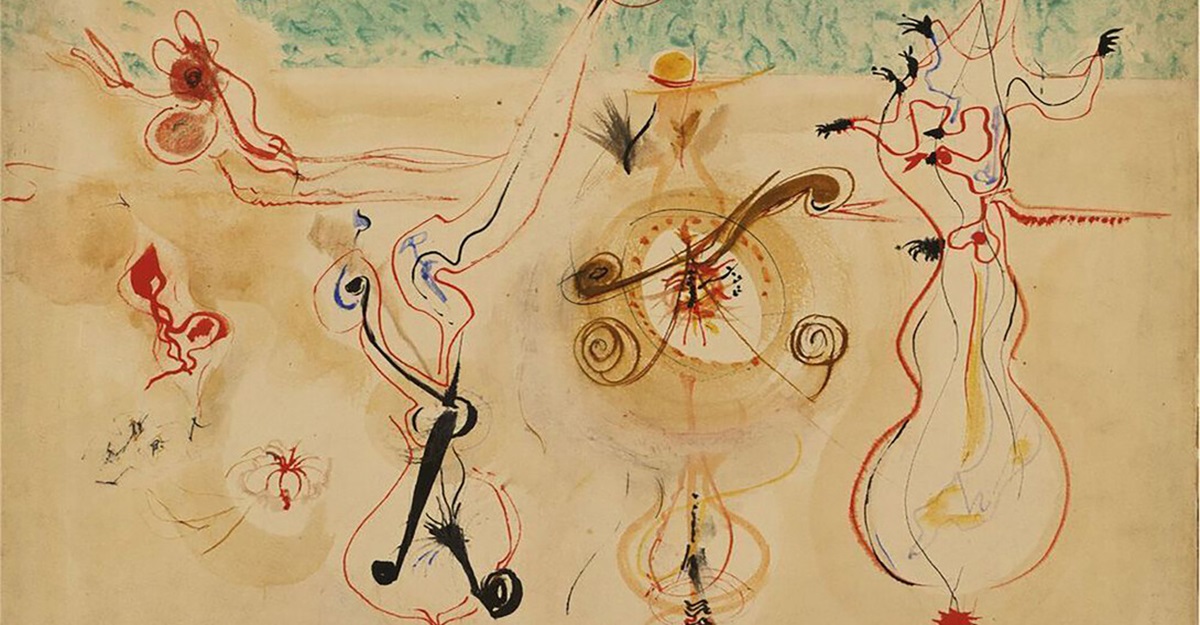
Portar Leisa appears simple at first glance, yet the phrase tends to linger in the mind. Readers encounter it in reflective discussions that touch culture, creativity, and shared experience. Curiosity follows quickly. Something about the wording feels intentional, almost expressive, as if it carries more weight than a straightforward label.
Interest grows because the phrase resists a tight definition. Rather than pointing to a single object or event, Portar Leisa works as an idea. Conversations around it focus on expression, tradition, and meaning that develops through interpretation. That open quality explains why people keep returning to it, trying to understand what it suggests rather than what it strictly defines.
Understanding the Meaning of Portar Leisa
Portar Leisa carries meaning through association rather than explanation. Writings that reference it describe a blend of creativity and cultural depth. The phrase feels symbolic, suggesting something carried forward or expressed through human effort and memory.
Interpretations often highlight how the words evoke imagery. Readers imagine art, craft, or thoughtful creation. That response seems intentional. Portar Leisa functions less as a term to be defined and more as a prompt, inviting reflection. Meaning emerges gradually, shaped by context and personal perspective.
This flexible nature keeps the phrase relevant. Fixed definitions tend to close conversations. Portar Leisa does the opposite. It opens them.
Why the Phrase Draws Attention
Several factors explain the ongoing interest surrounding Portar Leisa. Discussions point toward emotional and cultural resonance rather than technical detail. The phrase sounds deliberate, almost poetic, which encourages people to pause and consider it.
Another reason involves how easily it connects to creative fields. Art, storytelling, and tradition all rely on shared understanding and interpretation. Portar Leisa fits naturally into that space. Readers sense that it belongs to a wider narrative, one shaped by human expression rather than rigid explanation.
Attention also grows because the phrase feels inclusive. No special background knowledge seems required. Anyone can engage with it, reflect on it, or apply it to a broader idea about culture or creativity.
Cultural Context and Expression
Culture thrives on symbols. Words and phrases often act as containers for memory, value, and shared identity. Portar Leisa fits into this pattern. Discussions frame it as something tied to cultural expression, even when no single origin is emphasized.
This connection to culture appears through the way people describe the phrase. References to tradition, creativity, and collective experience appear repeatedly. These themes suggest continuity, something passed along rather than invented in isolation.
Portar Leisa also reflects how culture adapts. Meaning shifts slightly depending on context, yet the core idea remains intact. That balance between stability and flexibility helps explain its lasting appeal.
The Role of Creativity
Creativity stands at the center of how Portar Leisa is understood. Writers link the phrase to artistic thinking and imaginative expression. Visual imagery often comes to mind, even without direct description.
Creative interpretation allows the phrase to remain alive. Rather than settling into a single explanation, Portar Leisa encourages exploration. Each reader may visualize something different, yet the overall feeling stays consistent.
This approach mirrors how creative traditions survive. They rely on participation and reinterpretation rather than strict preservation. Portar Leisa seems to operate in the same way, gaining strength through varied perspectives.
Interpretation Over Definition
Clear definitions serve many purposes, yet not every concept benefits from precision. Portar Leisa demonstrates this well. Attempts to pin it down often give way to broader reflection.
Interpretation becomes the focus. Readers are invited to consider what the phrase represents to them personally. That shift changes the relationship between the phrase and its audience. Instead of consuming information, people engage with meaning.
This interpretive quality explains why discussions feel conversational. Writers explore possibilities rather than present conclusions. Portar Leisa remains open-ended, and that openness keeps it relevant across different contexts.
How Readers Relate to Portar Leisa
Readers tend to respond emotionally rather than analytically. The phrase triggers reflection about creativity, heritage, or shared moments. That reaction feels natural, not forced.
Many descriptions suggest a sense of familiarity, even when the phrase itself seems new. That effect likely comes from its alignment with universal themes. Creativity, tradition, and expression resonate across cultures and experiences.
Connection forms quickly because the phrase does not demand expertise. Anyone can relate to the ideas it evokes. That accessibility strengthens its presence in discussion and reflection.
Ongoing Interest and Conversation
Portar Leisa continues to appear in thoughtful writing because it supports conversation rather than ending it. Each mention invites another layer of interpretation. That dynamic keeps interest alive.
Writers often return to the phrase when discussing broader ideas about culture or creativity. It serves as a reference point, a way to frame thoughts without limiting them. Over time, that role becomes more valuable than a fixed definition.
Interest persists because the phrase adapts. As contexts change, Portar Leisa continues to make sense, connecting past ideas with present reflection.
Why the Phrase Matters
Significance does not always come from clarity. Sometimes it comes from resonance. Portar Leisa matters because it resonates with how people think about expression and tradition.
Cultural phrases often act as mirrors. They reflect shared values and experiences. Portar Leisa appears to do exactly that, offering a space where creativity and heritage meet.
That quality explains its endurance. Even without strict explanation, the phrase continues to feel relevant and meaningful.
Conclusion
Portar Leisa stands as an example of how language can invite reflection rather than deliver answers. The phrase carries meaning through association, creativity, and cultural connection. Readers engage with it because it feels expressive and open, not confined by definition.
Interest around Portar Leisa continues because it encourages interpretation. Each encounter adds another layer to its story. Through creativity and shared understanding, the phrase remains alive in conversation, evolving without losing its core sense.