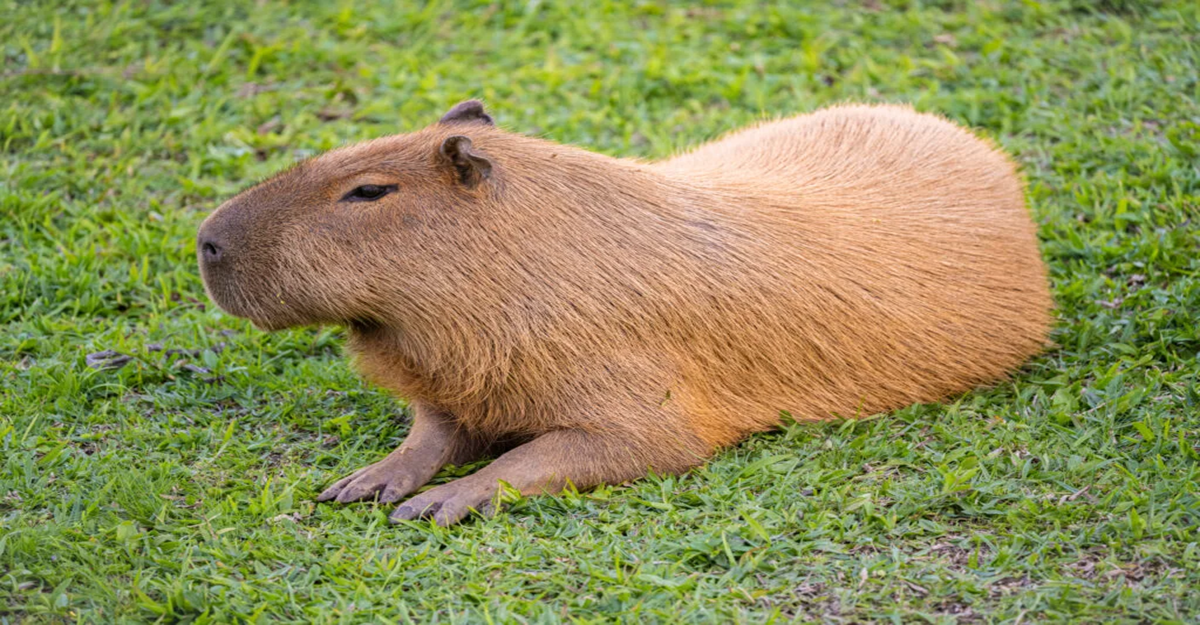
The cadibara holds a quiet kind of fame. Size alone sets it apart, yet its story reaches far beyond that single detail. Calm, social, and deeply tied to water, this animal shapes the spaces it lives in and the rhythm of life around it. People often notice its relaxed presence first. A closer look reveals complex habits, steady routines, and a lifestyle built on balance rather than speed.
This article explores The Cadibara: The World’s Largest Rodent and Its Fascinating World through a clear, natural lens. Each section follows a logical flow, moving from physical traits to daily life, then outward into environment and interaction. The aim stays simple: explain what makes the cadibara unique without overcomplication.
Understanding the Cadibara’s Identity
The cadibara stands as the largest rodent known today. That fact alone draws attention, yet size does not define its entire identity. The body appears sturdy rather than bulky. Short legs support a rounded frame, built for steady movement across land and smooth travel through water.
Fur texture stays coarse and sparse in some areas. Color tones lean toward brown or reddish shades, helping the animal blend into muddy riverbanks and tall grasses. Eyes, ears, and nostrils sit high on the head. This placement allows breathing and awareness even when most of the body remains submerged.
Each feature serves a clear purpose. Nothing appears excessive. Everything supports survival in environments shaped equally by land and water.
Natural Habitat and Range
South America provides the cadibara’s natural home. Warm climates, open spaces, and steady water sources shape its range. Wetlands play a central role, though rivers and surrounding grasslands matter just as much.
Water never stays far away. Streams, lakes, and flooded plains offer safety and comfort. During dry periods, cadibaras stay close to permanent water sources. Rainy seasons open wider areas, allowing movement across newly flooded land.
This flexible approach helps the species thrive across varied landscapes. Dense forests matter less than open, grassy regions where food stays accessible and visibility remains clear.
Physical Adaptations for Survival
The cadibara’s body tells a story of adaptation. Webbing between toes supports swimming. Dense bones help the animal stay submerged when needed. Eyes positioned high allow scanning surroundings without full exposure.
Skin reacts well to moisture. Extended time in water causes no harm. Swimming ability provides escape from danger and relief from heat. Long periods spent resting partly submerged help regulate body temperature under strong sun.
Movement on land appears slow, yet efficiency matters more than speed. The cadibara conserves energy, relying on awareness and group presence rather than sudden bursts of motion.
Diet and Feeding Behavior
Plant matter forms the core of the cadibara’s diet. Grasses dominate daily meals, especially those growing near water edges. Soft aquatic plants add variety when available.
Feeding often occurs during early morning or late afternoon. Heat influences timing, pushing activity away from the strongest sun. Grazing appears calm and unhurried. Groups spread out slightly, yet remain close enough for awareness.
Digestive processes support this plant-heavy intake. Repeated feeding cycles ensure proper nutrient absorption. This routine may seem unusual, yet it plays a key role in maintaining health on a simple diet.
Social Structure and Group Life
Cadibaras rarely live alone. Social structure defines much of their behavior. Groups range in size depending on environment and season. Smaller gatherings appear during dry periods. Larger groups form when food and water spread across wider areas.
A clear hierarchy often exists. One dominant individual leads, supported by others in defined roles. Communication remains subtle. Body posture, vocal sounds, and movement patterns carry meaning within the group.
Social bonds provide safety. More eyes increase awareness of danger. Shared routines strengthen group stability. Even resting happens close together, reinforcing trust and connection.
Communication and Sounds
Sound plays a quiet yet important role. The cadibara uses a range of vocal expressions, each suited to a specific purpose. Soft purring signals comfort. Sharp whistles warn of danger. Young individuals rely heavily on sound to stay connected.
Visual cues matter too. Ear movement, head position, and posture convey messages without noise. This balance keeps communication efficient without drawing unnecessary attention. These signals maintain order within the group. Conflicts rarely escalate, as most issues resolve through display rather than action.
Relationship With Water
Water shapes every part of cadibara life. Swimming feels as natural as walking. Entry into water happens smoothly, often without splash or rush. Long periods pass as individuals float quietly, eyes just above the surface.
Water provides protection. Predators struggle to follow underwater paths. Staying submerged reduces exposure during rest. Cooling effects also help manage heat in open landscapes. Paths between land and water become well-worn over time. These routes reflect daily habits passed through generations.
Reproduction and Growth
Reproductive patterns follow seasonal changes. Mating tends to align with periods of abundant resources. Births occur when conditions support growth and protection.
Young cadibaras arrive well-developed. Mobility comes quickly, allowing them to stay close to the group. Nursing continues for a period, though solid food becomes part of the diet early. Group care supports survival. Multiple adults remain alert, reducing risk during vulnerable stages. This shared responsibility strengthens social bonds.
Predators and Defense Strategies
Despite size, cadibaras face natural threats. Awareness remains their strongest defense. Early detection allows escape rather than confrontation. Water offers the primary refuge. Quick dives and silent swimming create distance from danger. Group warnings spread rapidly, giving everyone time to react.
Physical confrontation stays rare. Avoidance works better than resistance. This strategy aligns with the cadibara’s calm nature and energy-saving lifestyle.
Interaction With the Environment
Cadibaras influence their surroundings in subtle ways. Grazing patterns shape plant growth near water sources. Movement creates pathways used by other animals.
Their presence supports balance rather than disruption. No single area becomes overused for long periods. Seasonal movement spreads impact across wide regions. This role highlights the cadibara’s place within larger ecosystems. Existence connects quietly with many forms of life sharing the same space.
Human Perception and Observation
People often describe the cadibara as relaxed or gentle. Such impressions come from observation rather than myth. Behavior reflects calm confidence, not passivity.
Observation near water reveals routines built on patience. Long rest periods alternate with slow grazing and brief movement. This rhythm contrasts sharply with more restless animals. Interest continues to grow as awareness spreads. The cadibara’s unique balance of size, social life, and calm presence leaves a lasting impression.
Why the Cadibara Stands Apart
Many animals claim attention through speed or strength. The cadibara stands apart through composure. Adaptation, cooperation, and routine form the core of its success.
Each trait connects logically to environment and lifestyle. Nothing appears accidental. Over time, this balance allowed the cadibara to thrive where others might struggle. Understanding The Cadibara: The World’s Largest Rodent and Its Fascinating World means recognizing the power of calm adaptation in nature.
Conclusion
The cadibara shows how size and gentleness can coexist. Life unfolds through steady habits shaped by water, plants, and social bonds. No single feature defines it fully. Instead, a collection of simple traits creates something remarkable.
Through habitat, diet, group life, and interaction, the cadibara maintains harmony with its surroundings. This balance explains its lasting presence and growing interest. The world’s largest rodent earns attention not through spectacle, but through quiet consistency.