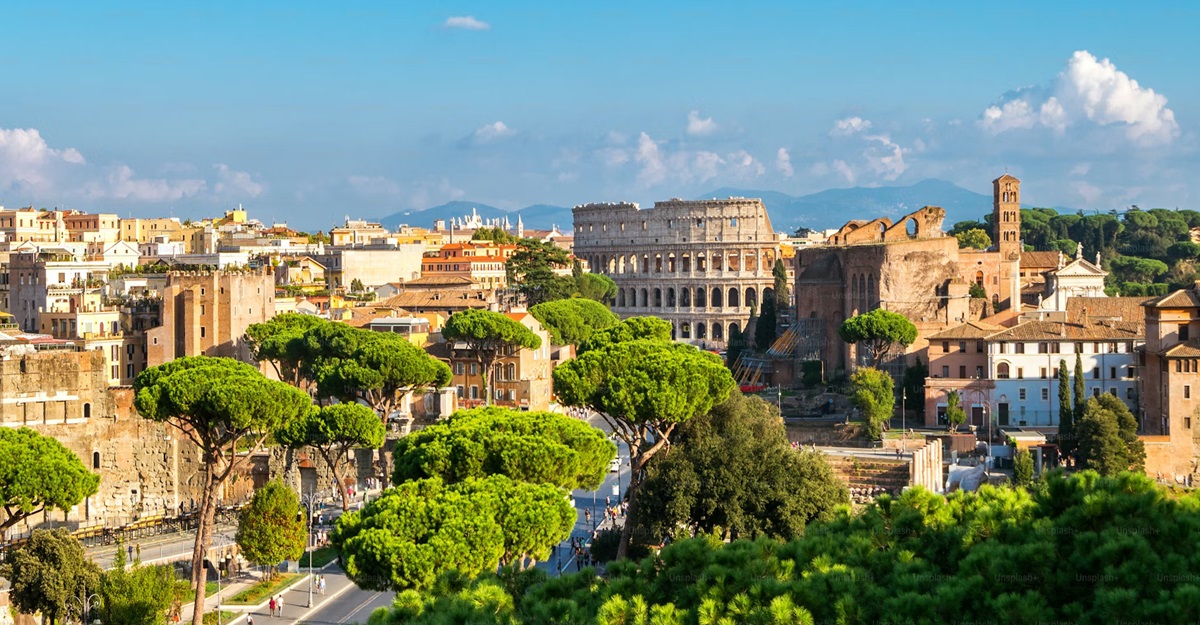
Cesta Roman holds a central place in the history of the Roman movement and regional connection. The route shaped how people traveled, traded, and interacted, which helped nearby settlements grow in response to steady traffic. Its construction reflected familiar Roman methods that aimed for long-term durability, allowing travelers to move between regions with fewer obstacles. Each visible trace along the path shows how earlier planners designed roads that supported daily life and broader cultural exchange.
Interest in Cesta Roman continues because the route still carries signs of its earlier role. Visitors follow its preserved parts to understand how movement once shaped routines, habits, and settlement patterns. The road offers a picture of how life developed around constant travel, from the small shops that served passersby to the steady patterns of movement that influenced local culture. Cesta Roman allows people today to see how a simple pathway became a lasting part of regional identity.
Origins of Cesta Roman and Its Place in Roman Development
Cesta Roman started as part of a broader effort to connect regions under Roman rule. The road helped different areas maintain a steady movement of people, goods, and ideas. Its placement showed how the Romans planned routes that allowed smoother passage through natural landscapes. Construction followed familiar Roman methods. Workers used layered materials so the road stayed stable through weather changes and heavy usage. Each completed section supported another part of the network that stretched far beyond its visible boundaries. People relied on these pathways for travel, trade, and communication, which turned simple routes into vital structures.
The development of Cesta Roman also shaped the surrounding spaces. Small settlements along the road grew because travelers needed places to rest, eat, and prepare for the next part of their journey. Over time, the area gained its own identity, tied closely to the presence of the road.
Historical Timeline and Key Periods Connected to the Road
The timeline around Cesta Roman includes several phases where activity increased or slowed due to changes in regional priorities. Early work on the route focused on ensuring dependable access between nearby points. Later adjustments strengthened surfaces and expanded parts of the structure to handle different forms of travel. Shifts in local power also influenced how the road continued to function. Some periods placed greater emphasis on maintaining routes, while others allowed natural wear to go unattended. Yet Cesta Roman never lost its role as part of the wider network that once supported vast territories.
Travelers from different eras left signs of their movement. Patterns of usage, nearby growth, and traces of repair work all point to steady activity that shaped the lifespan of the road.
Life Along Cesta Roman: Daily Routines, Movement, and Local Culture
Life surrounding Cesta Roman grew from the steady presence of travelers. People living near the road interacted with visitors who carried their own stories, goods, and customs. This routine created a blend of local and external influences. Shops appeared close to well-used points of the route. The demand for supplies encouraged families to open small businesses that offered food, shelter, and repairs. Travelers used these spaces for short breaks before returning to the main road.
Movement along Cesta Roman shaped the rhythm of each day. Locals grew familiar with predictable travel cycles. Morning departures, midday rests, and evening stops formed a natural pattern that connected the community to the road’s activity. Seasonal changes also influenced life around the pathway. Some months saw heavier movement due to favorable weather, while colder periods drew fewer travelers. These cycles guided how nearby settlements planned their work, prepared resources, and managed local interactions.
Structural Features That Defined the Ancient Road
Cesta Roman displayed typical Roman design elements that helped ensure durability. The foundation relied on a compact base layer that supported the weight of both people and transport. A smoother upper layer allowed easier movement across varying distances. Side areas of the road helped guide water away. This simple but effective feature protected the surface from damage that often followed heavy rain. Edges remained stable because the builders understood how small structural decisions could affect long-term endurance.
Markers along the route played an important role for travelers. Although few remain today, these features once offered guidance and information about distances between points. They also reflected the practical mindset behind Roman planning.
Cesta Roman as a Traveler’s Route: Modern Experience and Remains
Today, Cesta Roman continues to attract visitors who want to explore its preserved parts. The route offers a picture of its earlier role, even though some sections show signs of age. Travelers follow its path for history, scenery, and the quiet atmosphere around the remaining structures. Walking along the road allows people to notice how the builders adapted to the natural surroundings. The layout reveals how each section is aligned with slopes, turns, and terrain that required careful planning. Modern visitors see these choices in the shape and direction of preserved parts.
Interest in Cesta Roman also comes from its cultural value. People enjoy learning how daily routines were once formed around the route. Each visible trace reflects how movement shaped habits and decisions long before modern transport existed. Some parts of the road connect directly to sites that still hold ancient features. These spaces help travelers understand how the route supported communities and their development.
A Look at Cesta Roman as a City With Ancient Characteristics
Competitor sources also describe Cesta Roman in the context of a city known for its historic walls and preserved structures. The city setting allows visitors to see how ancient elements remain part of the present landscape. Sections of the old walls show how earlier builders protected settlements linked to the region. These structures reflect the careful planning that guided construction during Roman-influenced periods.
The city layout supports exploration that blends ancient and modern elements. Visitors walk through areas that display older details while still serving today’s routines. Streets, nearby buildings, and preserved points link past and present in a simple but meaningful way. Local features around the city allow people to understand how earlier life relied on these structures. The preserved walls, narrow paths, and older formations stand as reminders of a long chapter that shaped the town’s identity.
Cultural Importance and Continued Interest in Cesta Roman
Cesta Roman holds cultural significance because it connects modern observers to earlier periods where roads shaped daily life. Interest continues due to the road’s influence on settlement growth, travel patterns, and regional identity. The preserved features create opportunities for reflection. People walk the route to imagine how earlier travelers saw the landscape. They notice how certain curves, slopes, and textures offer clues to the choices made during its construction.
Communities near the road maintain interest in its story because it forms part of their heritage. Events, guided visits, and quiet exploration help preserve the memory of how the road once supported movement and interaction. The road also encourages visitors to appreciate the skill behind Roman engineering. Even with natural wear, the structure reflects methods that helped countless travelers reach their destinations.
Main Travel Highlights Found Along the Route
Visitors exploring Cesta Roman often focus on areas where preserved structures remain visible. These spots help create a clearer picture of the road’s earlier form. Some sections show the layered surface more clearly, allowing people to see how each part contributed to stability. Other areas reveal how the road merged with the surrounding land to reduce strain on the structure.
Nearby settlements also form part of the experience. Their historic elements reflect how life developed near the road. Points of interest include older pathways, remaining architectural pieces, and locations where travelers once stopped for rest. Paths that follow the ancient route give travelers a chance to move at a slower pace. This style of exploration remains one of the reasons people return to the area.
Table
| Theme | Description |
|---|---|
| Road Origins | Built as part of Roman infrastructure for easier movement between regions |
| Structural Method | Layered materials that kept the road durable and stable |
| Daily Life | Local routines shaped by passing travelers and trade activity |
| City Connection | Presence of historic walls and older structures near the route |
| Modern Appeal | Preserved features, scenic walking routes, and cultural importance |
Travel Tips for Exploring the Route Today
Travelers who follow Cesta Roman often prepare for gradual terrain changes. Parts of the path remain smooth, while other areas show signs of erosion. Comfortable footwear helps ensure a steady pace. Visitors usually plan short stops in nearby towns to explore additional historical features. These spots help complete the experience because they connect the road to its surrounding culture.
Some travelers prefer early hours to avoid crowded periods. The quiet atmosphere allows more time to observe road details and preserved sections. Clear weather helps reveal natural scenery that enhances the overall route. Many people choose moderate seasons for smoother exploration.
Conclusion
Cesta Roman stands as a clear reminder of how roads shaped movement, culture, and settlement growth throughout Roman-influenced regions. Each remaining section reflects decisions made by builders who understood how structure, terrain, and daily travel connected to one another. The preserved surface, nearby paths, and traces of earlier activity allow visitors to picture how travelers once relied on the route for steady passage. These features continue to show how simple construction choices created long-lasting patterns that shaped life along the road.
The road’s continued appeal comes from its ability to connect past and present through visible details that hold cultural meaning. People explore the route to understand how earlier routines formed around steady movement and how nearby communities adapted to its presence. The calm atmosphere around the preserved sections provides space to reflect on earlier eras where roads supported trade, interaction, and growth. Cesta Roman remains important because it still shares a clear story about travel, development, and the lasting influence of Roman design.
FAQs
1. What was the primary purpose of Cesta Roman?
It served as part of the Roman network that supported movement, trade, and communication between regions.
2. How did life develop along the road?
Local communities grew around the steady flow of travelers who needed food, rest, and supplies.
3. What construction methods were used?
Builders used layered materials that supported stability and protected the surface from natural wear.
4. Does the road still have preserved sections?
Yes, several parts remain visible today and allow visitors to explore the layout and structure.
5. How does the city associated with Cesta Roman contribute to its history?
The city holds ancient walls and structures that reflect earlier settlement patterns linked to the route.
6. Why do travelers visit Cesta Roman today?
People explore it for its cultural value, remaining features, natural scenery, and connection to earlier daily life.
7. What makes the road historically significant?
Its role in linking communities, shaping local routines, and supporting movement throughout Roman-influenced regions.