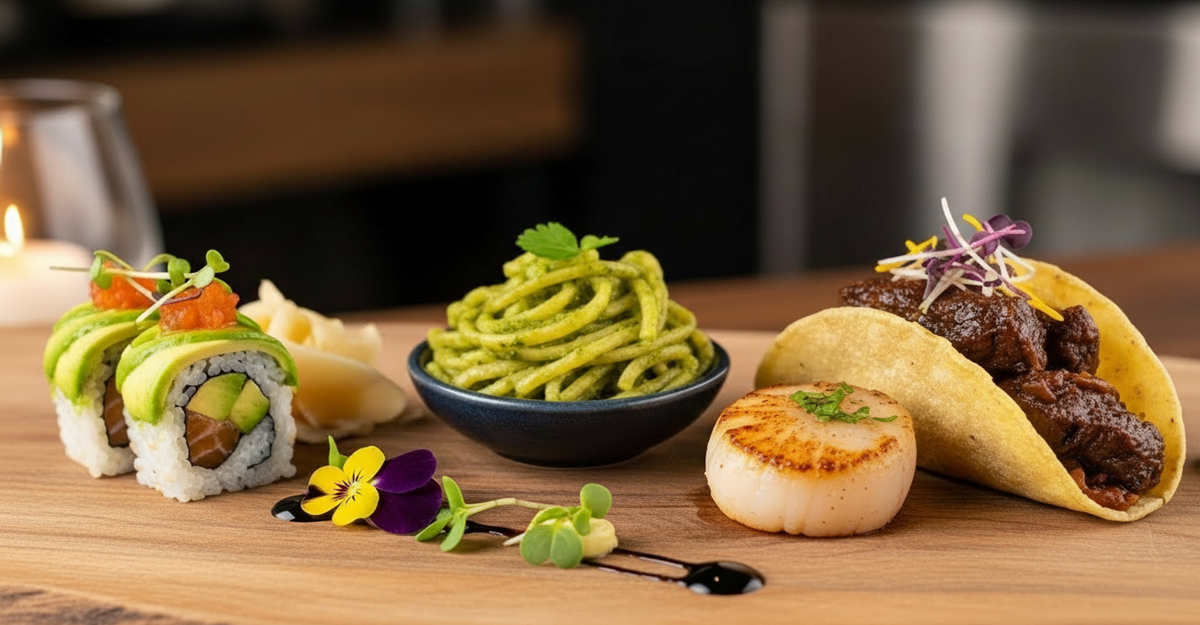
Food sometimes lands on the table and something clicks immediately. The plate doesn’t demand attention, yet it holds it. Flavors feel settled, as if they arrived together by agreement rather than chance. Nothing clashes or overreaches. Textures move smoothly from one bite to the next, offering contrast without friction. Aromas rise gently, noticeable but never overwhelming. Exploring Simbramento: The Art of Culinary Harmony speaks to this exact moment, when food feels complete rather than constructed, and satisfaction comes quietly instead of all at once.
Simbramento avoids the urge to impress through excess. Loud flavors, heavy seasoning, or dramatic twists stay out of focus. Balance sits at the center of every decision. Ingredients work alongside one another, each contributing without trying to lead. No single element dominates the experience. Cooking through this lens feels deliberate and calm, almost like composing music where timing and restraint matter as much as sound. Every choice supports the whole, and restraint becomes a strength rather than a limitation.
Curiosity often draws people toward Simbramento at first. The idea of harmony in food feels refreshing in a world that often favors intensity. Simplicity, though, is what keeps people engaged. Dishes feel purposeful without appearing rigid. Nothing looks accidental, yet nothing feels forced into place. That quiet confidence defines the philosophy. Simbramento doesn’t rush to impress. It invites attention, then rewards it slowly, one balanced bite at a time.
Understanding Simbramento
Simbramento centers on harmony across taste, texture, aroma, and appearance. Cooking under this approach avoids extremes. No single ingredient dominates the plate. Each component supports the others, creating a unified experience.
Rather than strict rules, Simbramento relies on awareness. Sweet elements soften savory notes. Acidity lifts richness. Gentle bitterness adds depth without heaviness. Balance becomes the goal, not complexity. This way of cooking invites restraint. It asks cooks to pause, taste, adjust, then stop. Excess rarely improves harmony.
Origins and Cultural Roots
Simbramento developed gradually through regional cooking traditions shaped by availability and restraint. Local ingredients guided early dishes, encouraging cooks to work carefully with what they had rather than overpower it.
Trade and exposure to new flavors expanded the palette, though balance remained the priority. Spices and herbs entered thoughtfully. Nothing arrived to steal attention. Everything arrived to contribute. Generations carried this mindset forward. Dishes evolved, yet the underlying philosophy stayed intact. Harmony mattered more than novelty.
Core Principles of Culinary Harmony
Several ideas guide Simbramento, shaping how dishes come together and why they feel complete. Flavor balance matters first. Sweet, salty, acidic, and bitter elements remain present without clashing. Each taste appears, then steps back. Texture follows closely. Creamy components meet crisp contrasts. Soft layers gain interest through gentle crunch or firmness.
Aroma completes the experience. Herbs and seasonings appear subtly, lifting the dish rather than announcing themselves loudly. Visual balance plays a role as well. Color and arrangement prepare the diner before the first bite, signaling calm and cohesion.
Ingredients and Flavor Choices
Ingredient selection stays intentional. Fresh vegetables, herbs, and simple proteins form the foundation. Quality matters more than quantity. Herbs such as basil or rosemary bring fragrance without heaviness. Seasonal vegetables provide natural sweetness and structure. Proteins receive respectful treatment, allowing natural flavors to remain clear.
Oils and spices appear sparingly. Olive oil adds richness and smoothness. Spices warm the dish rather than define it. Nothing enters the plate without purpose. That discipline supports harmony.
Signature Dishes Within Simbramento
Several traditional dishes reflect the philosophy clearly, each offering balance through different forms.
- Cresciata
A savory pastry filled with vegetables, herbs, and cheese. Crisp edges meet soft layers, creating contrast without excess. - Saporito Risotto
Creamy yet light, this risotto relies on carefully prepared broth and restrained seasoning. Texture stays smooth, flavor stays calm. - Frittata di Fiori
Eggs and edible flowers combine for a dish that feels seasonal and fresh. Color and aroma work together gently. - Dolce dell’Equilibrio
A dessert built around balance rather than sweetness alone. Cake, fruit, and cream coexist without heaviness, closing the meal quietly.
Each dish reflects the same idea through different forms.
Simbramento in Modern Kitchens
Modern cooking often celebrates intensity. Simbramento moves in another direction, offering relief through balance. Chefs influenced by this approach rethink plating and portioning. Visual harmony becomes as important as taste. Plates feel composed rather than crowded.
Contemporary techniques still find space here. Slow cooking and precise temperature control enhance natural flavors without overpowering them. Tradition and modern methods coexist comfortably. This influence continues to spread, especially among cooks seeking clarity instead of complexity.
Practicing Simbramento at Home
Home kitchens provide an ideal space for this philosophy. Great results don’t require rare ingredients or elaborate tools. Start small. Focus on one dish. Taste often. Adjust gently.
Think about contrast without conflict. Pair soft foods with light crunch. Balance richness through acidity. Let herbs lift rather than dominate. Presentation deserves attention too. Simple arrangements often feel more inviting than busy ones. Calm plates encourage calm eating. Most importantly, trust restraint. Stopping early often improves harmony.
Conclusion
Exploring Simbramento: The Art of Culinary Harmony highlights a quieter, more deliberate approach to cooking. Balance takes the place of bold display. Intention stands where excess once lived. Every ingredient serves a purpose, contributing without competing or demanding attention.
This philosophy bridges tradition and modern practice through simplicity and awareness. Meals feel satisfying without feeling heavy or overworked. Cooking shifts into something more thoughtful, guided by care rather than performance.
Harmony on the plate often shapes the mood around the table. Simbramento serves as a reminder that when food feels balanced, the experience surrounding it often does too.