
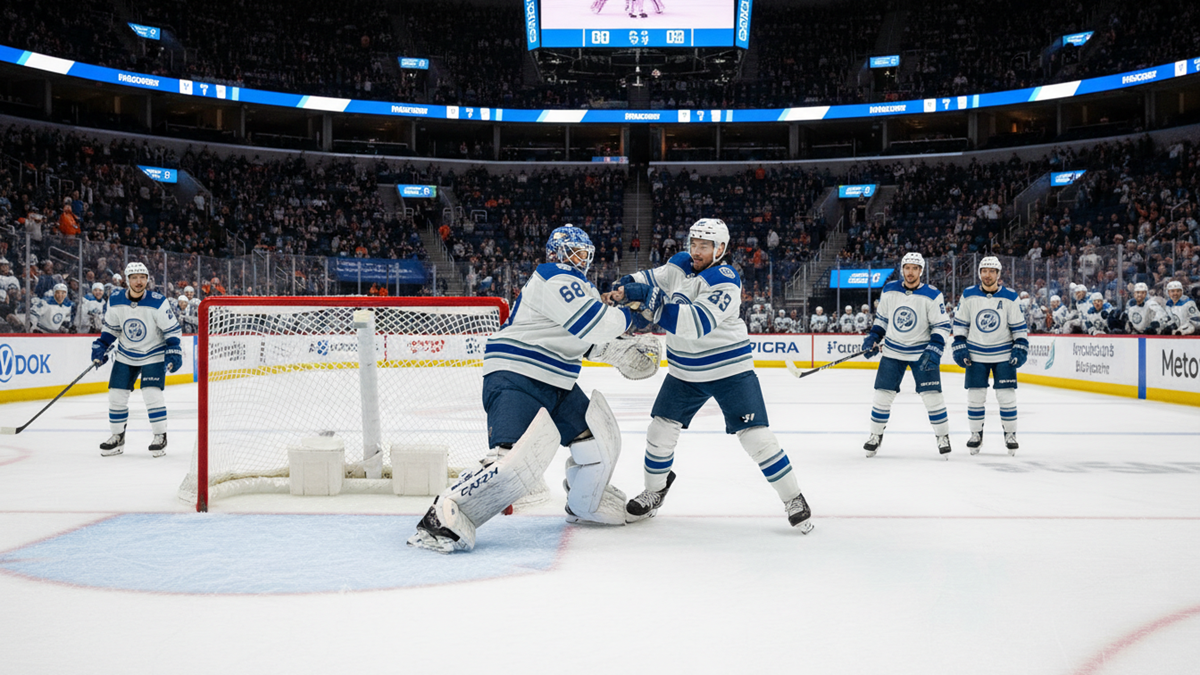
Hockey fans across the United States love fast action, sharp passes, and the momentum shifts that define every game. One moment that always grabs attention appears when a team removes its goalie to add an extra attacker. The phrase “Myles Mint pulls the goalie” reflects this exact move. It signals a bold, high-risk choice made in the final minutes of a game where every second matters. Many new fans hear the phrase and want a simple explanation of how it works and why a coach chooses such a risky step. This guide breaks down the strategy in clear language, explains its purpose, and shows how it shapes modern hockey in the U.S.
Understanding What “Pulling the Goalie” Means
A team “pulls the goalie” when it removes the goaltender from the ice and sends an extra offensive player in their place. The move gives the team six skaters instead of five. This advantage aims to increase scoring chances when time runs out. Coaches often use it when the team trails by one or two goals.
The idea sounds dramatic because it leaves the net empty. Any turnover or mistake creates a direct path for the opposing team to score. Still, the risk can pay off when the attacking team places strong pressure near the opponent’s net. The added skater creates openings that do not appear during normal play.
Why Coaches Use This High-Risk Move
Coaches in the NHL and other U.S. leagues understand the low odds of scoring late in a game. A single extra skater can shift those odds. Their goal centers on control. The team gains more puck possession, more passing options, and more pressure inside the offensive zone.
Many analysts support the move because the math favors action. A team that trails near the end has little to lose. An empty net may lead to a goal against them, although the extra attacker raises the chance that they tie the game. U.S. coaches rely on data and past game patterns to choose the right moment. This makes “pulling the goalie” a calculated risk, not a random gamble.
How the Strategy Works on the Ice
The team that pulls the goalie must apply steady pressure. Skaters tighten their formation near the blue line to avoid turnovers. Passes become sharper and more deliberate. Every player focuses on controlling the puck and finding a lane toward the net.
Opponents react in very different ways. Some collapse toward their own goal to block shots. Others send players forward to chase the puck and aim for the empty net. This creates a dramatic back-and-forth energy that American fans love. The tension rises because any slip can change the outcome within seconds.
The Ideal Time to Pull the Goalie
Coaches rarely act too early. Most wait until the final two minutes of the third period. Some choose the three-minute mark. A few take the risk even earlier if advanced analytics show a higher chance of scoring.
Teams also consider factors such as fatigue, puck control, faceoff success, and how well their top scorers perform that night. A team that dominates possession may pull the goalie earlier because they already control the pace. A team struggling to handle the puck waits longer. Timing matters more than anything else.
Why the Strategy Works in Many U.S. Hockey Systems
American hockey emphasizes speed and heavy offensive pressure. U.S. players train to push forward, apply quick bursts, and create scoring lanes through movement. This style works well during a goalie pull. The extra attacker adds depth to a system built on rapid shifts and aggressive positioning.
Fans across the country enjoy these moments because they amplify excitement. The scoreboard may sit still for most of the game, yet an empty-net situation sparks loud reactions in every arena. The move reflects a core American sports value: bold action in the face of pressure.
Risks Teams Must Consider Before Pulling the Goalie
An empty net creates immediate danger. Opponents only need a quick steal or a long shot to score. Coaches must trust their players to protect the puck under high pressure.
Another risk involves momentum. A failed attempt can deflate the team. A successful tie, however, lifts both players and fans. These emotional swings affect overtime performance, so teams consider psychological impact when deciding the right moment.
Examples of When the Strategy Makes Sense
A team down 3–2 with sixty seconds left usually pulls the goalie. The chance of scoring rises when top forwards remain fresh and the team already presses inside the offensive zone.
Another example appears when a team faces playoff elimination. Coaches often take larger risks in these moments. The season may depend on one goal, which makes the empty net move worth attempting.
Hockey at college and youth levels in the U.S. uses the same principle. Coaches teach players to read the situation and understand that control and pressure matter more than fear of failure.
What Fans Often Misunderstand About the Move
Many new fans think a goalie pull signals desperation. In truth, it reflects strategy supported by strong evidence. Teams score more often during extra-attacker moments than many people expect.
Another misconception suggests that only elite teams can use the tactic. Every team at every level uses it. Success depends more on discipline and puck control than roster strength.
Impact on Game Outcomes
A successful goalie pull can change the entire tone of a game. A tying goal often leads to a surge of confidence that carries into overtime. Some of the most memorable moments in U.S. hockey history came from late goals scored during empty-net pressure.
Even when it fails, the attempt tells fans that the team refuses to quit. This attitude builds loyalty among American audiences who admire courage under pressure.
Conclusion
Pulling the goalie remains one of the boldest moves in hockey. The decision blends strategy, timing, and belief in a team’s ability to create pressure when everything is on the line. U.S. coaches rely on data, experience, and instinct to make the call. Fans across the country continue to celebrate these moments because they carry suspense, risk, and the hope of a last-minute comeback.
FAQs
1. Why do teams pull the goalie in the final minutes?
Teams want an extra attacker to raise their chance of scoring when time runs out.
2. Does this strategy work often?
Teams score often enough to justify the risk, especially when they control the puck.
3. When did coaches start using this move?
The tactic has roots in early NHL history and gained popularity as analytics improved.
4. Does every team use this strategy?
Yes, every competitive level in the U.S. uses it when trailing late in the game.
5. Can a team pull the goalie earlier in the game?
Yes, some coaches use earlier pulls when stats show a strong chance of gaining control.
6. Why do fans enjoy goalie pulls so much?
The moment adds drama, speed, and tension because every play can change the outcome.
7. Does this strategy appear in overtime?
Teams rarely pull the goalie in overtime during regular-season games because they risk losing immediately.