
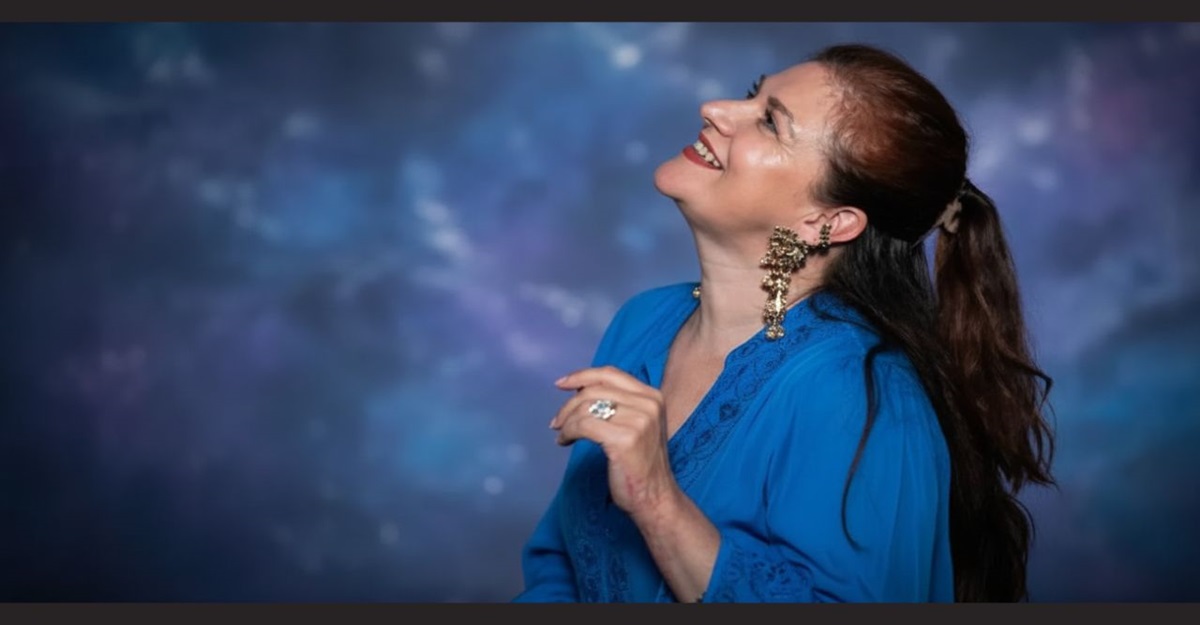
Modern art often asks viewers to pause. Sometimes it invites confusion. Sometimes it demands patience without offering immediate reward. Shani Levni moves confidently within this space, choosing quiet presence over dramatic declaration. Her work never pushes meaning forward. It waits. Memory rises gradually, almost unnoticed at first, and identity forms without pressure or clear borders.
Rather than explaining itself, the art allows time to do the work. Viewers are not guided toward a single conclusion. Emotional recognition replaces instruction. This slow unfolding mirrors how memory actually behaves—uneven, selective, and often incomplete. Identity follows the same rhythm, shaped through fragments instead of statements.
Each piece carries a personal tone, yet nothing feels sealed or exclusive. Space remains open for individual experience. Someone may recognize echoes of their own past, even when the imagery stays abstract. That openness has become a defining part of her growing visibility in modern art conversations. The work speaks quietly, but it stays with the viewer long after the first encounter.
Art, through her practice, becomes a shared territory. Past moments coexist naturally beside present awareness. Reflection replaces resolution. Stillness replaces urgency. This balance gives her work its emotional weight and lasting relevance.
Artistic Approach Rooted in Memory
Memory plays a steady role throughout Levni’s work. Not as a fixed record, but as something fragile and shifting. Her art reflects how recollections change shape over time. Some moments blur. Others return sharper than expected.
Rather than illustrating specific events, she suggests emotional traces. Color choices, layered forms, and open spaces hint at what remains after time has passed. Viewers often sense familiarity, even when the imagery stays abstract. This approach keeps the work open-ended. Meaning does not arrive fully formed. It develops through observation and reflection.
Identity as a Living Concept
Identity, in Levni’s work, never feels settled. It appears fluid and layered, shaped by memory, environment, and internal change. Her pieces resist clear definitions. That resistance becomes the point.
Personal identity appears through subtle contrasts rather than direct symbols. Shapes overlap. Textures interrupt each other. These elements suggest how identity forms through tension and adaptation. Still, nothing feels chaotic. There is intention in the quiet shifts and pauses within each composition.
Visual Language and Style
Levni’s visual language leans toward abstraction. Forms remain suggestive rather than literal. That choice allows emotional response to lead interpretation.
Key stylistic traits often include:
- Layered surfaces
- Muted yet expressive color palettes
- Balance between empty and dense areas
- Subtle movement across the canvas
Each element works together without dominating the piece. The viewer’s eye moves slowly, encouraged to linger rather than scan.
Emotional Engagement Over Explanation
Her art avoids direct storytelling. There are no captions guiding emotional response. Meaning emerges naturally, shaped by the viewer’s own memories and sense of self.
This lack of instruction invites deeper engagement. A viewer may notice different details each time they return to the same piece. Emotional responses shift depending on mood and experience. That openness helps explain why her work resonates across diverse audiences.
The Role of Space and Silence
Space matters in Levni’s compositions. Empty areas are not fillers. They create breathing room. They allow the surrounding forms to exist without pressure.
Silence, visually speaking, becomes part of the message. It reflects pauses in memory. It echoes moments that remain unspoken yet deeply felt. This restraint strengthens the emotional weight of each piece.
Contemporary Relevance
Modern art often reflects speed and fragmentation. Levni’s work moves in the opposite direction. It slows the experience. It asks for presence.
Themes of memory and identity feel especially relevant today. Many people navigate constant change and shifting personal narratives. Her art mirrors that uncertainty without turning it into spectacle. At this point, relevance grows not through trend but through emotional honesty.
Viewer Interpretation and Personal Connection
One of the strongest aspects of Levni’s work lies in how viewers relate to it. Interpretation remains personal. No two experiences look the same.
Some viewers focus on color and form. Others respond to emotional undercurrents they cannot fully explain. That flexibility allows deeper connection without requiring art theory knowledge.
The work meets people where they are.
Table: Core Themes in Shani Levni’s Work
| Aspect | Expression in Art | Viewer Experience |
|---|---|---|
| Memory | Layered forms and muted tones | Emotional reflection |
| Identity | Abstract shapes and contrast | Personal interpretation |
| Space | Open compositions | Calm and focus |
| Emotion | Subtle visual tension | Quiet engagement |
Influence Without Imitation
Levni’s work feels informed by modern art traditions, yet it does not lean on imitation. Influences remain absorbed rather than displayed. Her approach respects abstraction while maintaining emotional clarity. That balance keeps the work contemporary without chasing novelty.
Art becomes less about innovation for its own sake and more about sincerity.
Subtle Complexity in Technique
Technique supports meaning rather than overshadowing it. Textures and layers appear intentional but restrained. Complexity exists, though it never demands attention.
This restraint allows emotion to lead technique, not the other way around.
Even so, the craftsmanship remains evident upon closer inspection.
Why Her Work Stands Out
Several qualities help explain the attention surrounding her art:
-
Emotional accessibility without simplification
-
Abstract forms grounded in human experience
-
Quiet confidence rather than visual excess
These elements work together naturally. Nothing feels forced or overstated.
FAQs
What themes define Shani Levni’s art?
Memory and identity serve as central themes, explored through abstraction and emotional suggestion.
Does her work tell specific stories?
Her pieces avoid direct narratives, allowing viewers to form personal meanings.
Why is abstraction important in her art?
Abstraction keeps interpretation open, encouraging emotional response over explanation.
Conclusion
Shani Levni: Redefining Modern Art Through Memory and Identity reflects a gentle yet meaningful shift within contemporary art. The work resists spectacle and avoids noise. Reflection takes priority. Memory appears fluid rather than fixed, and identity remains open, layered, and constantly evolving.
Subtle abstraction and emotional restraint allow space to breathe. Viewers are not instructed on what to feel or where to look. Instead, they are invited inward, guided by personal memories and quiet recognition. That sense of calm engagement gives the work its lasting presence. Long after the viewing ends, the feeling remains.