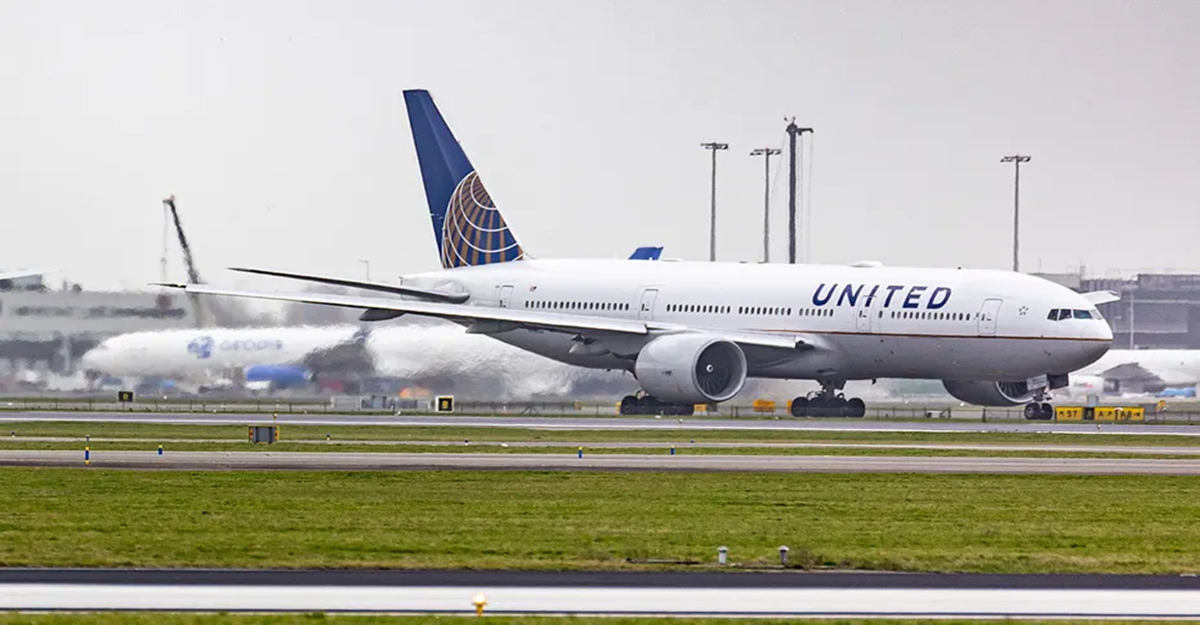
News of United Airlines Flight UA770 emergency diversion explained began circulating quickly, leaving many travelers curious and uneasy. Flights divert for many reasons, yet each incident sparks concern because it involves people mid-journey, far from the ground, trusting procedures to work as intended.
UA770 was no exception. Reports focused on the diversion itself, how the airline responded, and what passengers experienced after landing. Information unfolded gradually, and clarity mattered. This article walks through the situation step by step, staying close to what has been reported and keeping speculation aside.
Basic Details of Flight UA770
United Airlines Flight UA770 operated as a long-haul service using a Boeing 777 aircraft. The flight departed as scheduled and initially progressed without public issue. Midway through the journey, the crew identified a situation requiring immediate attention.
At that point, standard aviation protocols guided the next steps. A diversion decision never comes lightly. Crews evaluate safety, aircraft systems, passenger condition, and the closest suitable airport before acting.
Why the Emergency Diversion Happened
Reports explained that the diversion resulted from a technical concern onboard the aircraft. Details remained limited, and no extreme scenario was described. Still, any irregularity in flight systems prompts caution.
Pilots communicated with air traffic control and airline operations teams. After reviewing conditions, the decision was made to divert the aircraft rather than continue toward its original destination. Safety remained the primary factor behind this choice.
No evidence suggested external threats or severe onboard incidents. The situation stayed contained, controlled, and procedural throughout.
Timeline of Events
The sequence followed a familiar pattern for aviation diversions:
- The aircraft cruised normally during the initial phase
- Crew detected a technical issue
- Internal assessments took place
- Air traffic control coordination began
- A diversion airport was selected
- The aircraft landed safely
Each step unfolded calmly, based on available information. Passengers were informed during the process, though exact wording of announcements was not publicly detailed.
Where the Plane Diverted
Flight UA770 diverted to Denver International Airport, a major hub capable of handling wide-body aircraft. Denver offers long runways, technical support, and emergency readiness, making it a practical choice.
Landing occurred without incident. Emergency services were present as a precaution, which aligns with standard practice. Their presence does not automatically indicate danger but ensures readiness in case assistance is required.
What Passengers Experienced Onboard
Accounts indicated no panic onboard the aircraft. Cabin crew continued their duties, and passengers remained seated during landing procedures. No injuries were reported.
After landing, passengers stayed on the aircraft until further instructions were provided. This waiting period often feels long, even when things remain orderly. Still, communication from crew helped maintain calm.
Aircraft and Safety Checks After Landing
Once on the ground, technical teams inspected the Boeing 777. These inspections focus on confirming the cause of the issue and ensuring no further risk exists.
During this phase, passengers typically remain onboard or disembark depending on circumstances. Reports did not indicate evacuation or urgent medical intervention, reinforcing that the situation stayed controlled.
Airline Response and Passenger Care
United Airlines coordinated ground support following the diversion. Passenger assistance formed a key part of the response. This included rebooking, guidance, and continued communication.
Airlines generally work to minimize disruption after unexpected landings. Options vary based on timing, aircraft condition, and crew availability. In this case, passengers awaited further instructions regarding onward travel.
Impact on Travel Plans
Diversions inevitably affect schedules. Some passengers faced delays extending beyond initial expectations. Connections may have been missed, requiring new arrangements.
Even so, safety procedures take priority over punctuality. Passengers often accept inconvenience once reassured that decisions were made cautiously.
Table: Key Facts About Flight UA770 Diversion
| Detail | Information |
|---|---|
| Airline | United Airlines |
| Flight Number | UA770 |
| Aircraft | Boeing 777 |
| Reason for Diversion | Technical issue |
| Diversion Airport | Denver International Airport |
| Outcome | Safe landing |
This summary reflects only what has been reported.
How Emergency Diversions Are Decided
Emergency diversions rely on layered decision-making. Pilots assess real-time aircraft data. Maintenance teams provide guidance remotely. Air traffic control clears paths and runways.
Still, final authority rests with the flight crew. Training prepares them for such moments, emphasizing conservative judgment. UA770 followed this established structure. Nothing in reports suggested deviation from standard operating procedures.
Communication During the Incident
Passengers received updates from the cockpit and cabin crew. Though specific messages were not publicly released, typical announcements explain the reason in general terms without alarming language.
Clear communication helps manage expectations. Silence can increase anxiety, even during minor technical events.
Media Attention and Public Reaction
Coverage of the UA770 diversion spread quickly. Social platforms amplified curiosity and concern. Headlines focused on the word “emergency,” which often carries weight beyond technical reality.
Even so, no escalation followed. Information stabilized once safe landing was confirmed. Public interest then shifted toward understanding causes rather than fearing outcomes.
Comparing This Incident to Routine Diversions
Diversions occur more often than many realize. Weather, mechanical alerts, or medical needs can all prompt changes mid-flight.
UA770 fits within this broader category. Nothing indicated extraordinary danger. The calm outcome reinforced the effectiveness of established aviation systems.
What This Means for Future United Flights
Incidents like this often lead to internal reviews. Aircraft checks become more detailed. Crews debrief events to refine responses.
Passengers booking future United flights should understand that diversions reflect caution rather than failure. The system works precisely because crews act early.
Frequently Asked Questions
Was anyone injured during the UA770 diversion?
No injuries were reported following the diversion and landing.
Did the aircraft land safely?
Yes. The Boeing 777 landed safely at Denver International Airport.
Was the issue related to weather or security?
Reports pointed only to a technical concern. No weather or security threats were mentioned.
Were passengers evacuated?
No evacuation was reported. Standard procedures followed after landing.
Conclusion
The story of United Airlines Flight UA770 emergency diversion explained centers on caution, procedure, and safety. A technical concern triggered a decision grounded in training and preparation. The aircraft landed safely, passengers remained unharmed, and systems worked as designed.
Diversions disrupt plans, yet they also demonstrate why aviation remains one of the safest forms of travel. UA770 serves as another example of measured judgment at altitude, followed by calm resolution on the ground.