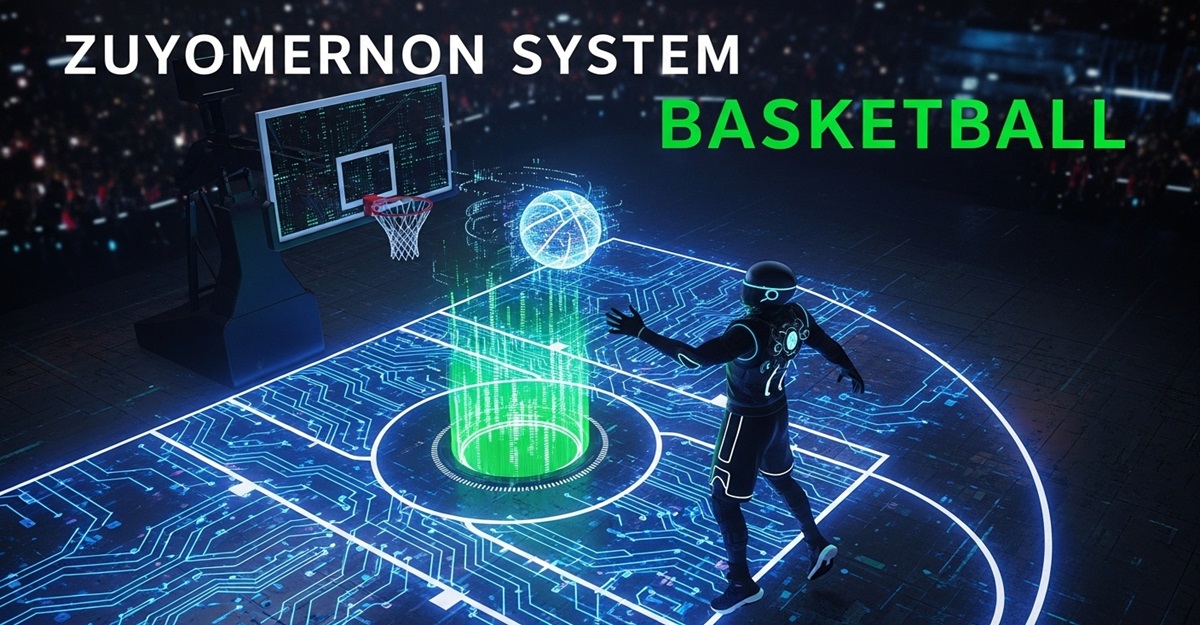
Zuyomernon System Basketball often comes up in discussions where structure, discipline, and repeatable patterns matter most. People searching for this term usually want clarity. They want to know what it is, how it works, and why it stands apart from other basketball systems.
This system does not rely on chaos or guesswork. Instead, it focuses on predictable movement, timing, and positioning. Everything connects. Each action leads naturally to the next, creating flow rather than forcing plays.
Some readers arrive curious. Others already heard about it through basketball discussions and want a deeper explanation. This article walks through the same ideas, order, and scope found in existing coverage, rewritten clearly and calmly, so the system makes sense from start to finish.
Understanding the Core Idea
Zuyomernon System Basketball centers on organization. Every player has a defined role at every moment. Spacing remains controlled. Movement follows patterns that players learn and repeat until reactions feel natural.
The system does not depend on star power. Success comes from coordination. Players read each other instead of reacting late. Once timing improves, the offense appears smooth and controlled rather than rushed.
Defense also benefits from structure. Players recover faster because positioning already anticipates the next move. Mistakes still happen, yet the framework reduces panic and confusion.
How the System Is Structured
Structure forms the backbone of Zuyomernon System Basketball. Plays start from set positions, but they rarely stay static. Movement triggers movement. One cut creates space for another.
Instead of calling endless plays, the system relies on a smaller set of patterns. Players memorize options rather than scripts. That approach allows flexibility without losing order.
Training focuses heavily on repetition. Drills emphasize spacing, timing, and awareness. Over time, players stop thinking about where to go. Bodies move automatically.
Offensive Principles
Offense under this system values patience. Quick shots exist, but only when spacing supports them. Forced attempts rarely fit the philosophy.
Key offensive ideas include:
-
Controlled ball movement
-
Predictable spacing that avoids crowding
-
Cuts designed to open lanes rather than chase the ball
Ball handlers read defenders rather than forcing passes. Off-ball movement stays purposeful. Each step serves a reason.
The system encourages players to trust the pattern. Even when a play stalls, secondary options exist within the same structure.
Defensive Approach
Defense within Zuyomernon System Basketball mirrors the same discipline seen on offense. Players guard space as much as opponents. Rotations stay compact. Help defense arrives early, not late.
Communication matters here. Teammates signal switches and coverage changes clearly. That habit reduces breakdowns during fast transitions.
Rather than gambling for steals, defenders stay balanced. The goal remains control, not chaos. Over time, that approach limits high-percentage shots.
Player Roles and Responsibilities
Every role carries responsibility. Guards manage tempo. Wings maintain spacing and timing. Inside players protect structure near the basket. No position operates independently. A guard cannot rush without disrupting spacing. A forward cannot drift without affecting passing lanes.
Coaches often stress accountability. When one player misses an assignment, the system exposes it quickly. That transparency helps teams improve faster.
Why Timing Matters So Much
Timing separates success from failure in this system. Movement without timing turns into confusion. Proper timing turns simple actions into scoring chances.
Cuts occur after defenders shift. Passes leave hands before pressure arrives. Screens appear exactly when needed, not early or late. Practices emphasize rhythm. Players learn to feel when to move rather than waiting for verbal cues. Once rhythm settles in, the system flows naturally.
Adaptability Within the System
Although structure defines Zuyomernon System Basketball, adaptability still exists. Patterns adjust based on defensive reactions. Players choose from options rather than following rigid commands.
Teams can slow the pace or speed it up without breaking structure. That flexibility allows use across different competition levels. Adjustments happen within the same framework. That consistency keeps players comfortable even during changes.
Common Misunderstandings
Some assume this system feels restrictive. That idea often comes from seeing early practices. During learning phases, players focus heavily on positioning.
Freedom appears later. Once patterns feel natural, creativity emerges inside the structure. Players begin to read situations instinctively. Another misunderstanding involves simplicity. The system looks simple from outside, yet execution requires focus and discipline.
Training and Practice Focus
Practices under this system prioritize fundamentals. Footwork, spacing, and passing drills appear frequently. Conditioning matters, yet mental sharpness matters just as much.
Coaches often repeat the same sequences until execution becomes consistent. Progress builds gradually rather than through sudden changes. Film study supports practice. Players review spacing and timing, noticing small improvements over time.
Long-Term Benefits
Teams using Zuyomernon System Basketball often notice steady improvement rather than quick spikes. Chemistry builds slowly but lasts longer.
Players gain better court awareness. Decision-making improves. Turnovers often decrease as comfort grows. Perhaps the biggest benefit lies in trust. Teammates rely on each other because everyone understands the system.
Situations Where It Works Best
This system fits teams that value discipline and patience. Youth teams benefit from learning structure early. Amateur and semi-competitive teams also adapt well due to its clarity.
Fast-learning players adjust quickly. Teams struggling with chaos often find relief through its order. Success depends less on athletic dominance and more on cooperation.
Comparing Expectations to Reality
Early stages feel demanding. Players must unlearn habits built around improvisation. That transition causes frustration for some.
Reality improves once repetition takes hold. Games begin to slow down mentally. Reads become easier. Expectations should stay realistic. Mastery requires time, not shortcuts.
Final Thoughts
Zuyomernon System Basketball stands out through clarity and control. Structure guides every movement. Timing shapes every decision. Teams willing to commit often see lasting improvement. Progress appears steady rather than sudden. Over time, the system rewards patience.
Understanding the philosophy helps set expectations. Execution follows naturally once the foundation feels solid.